Discover Pyongyang
Pyongyang, meaning "flat land," is the capital and largest city of North Korea (Democratic People's Republic of Korea). Home to approximately 3 million people, this meticulously planned city offers visitors a unique glimpse into one of the world's most isolated nations. Founded in 1122 BC according to legend, modern Pyongyang was largely rebuilt after the Korean War and showcases distinctive socialist architecture, grand monuments, and wide boulevards.
The city presents a fascinating study in contrasts—from its imposing governmental buildings and revolutionary monuments to its surprisingly modern metro system and leisure facilities. Pyongyang is unlike any other capital city in the world, offering visitors an experience that is both educational and thought-provoking.
The premium domain name VisitPyongYang.com maybe for sale. Contact VouteDigital.com or Whatsapp +31651922582.
Top Attractions in Pyongyang
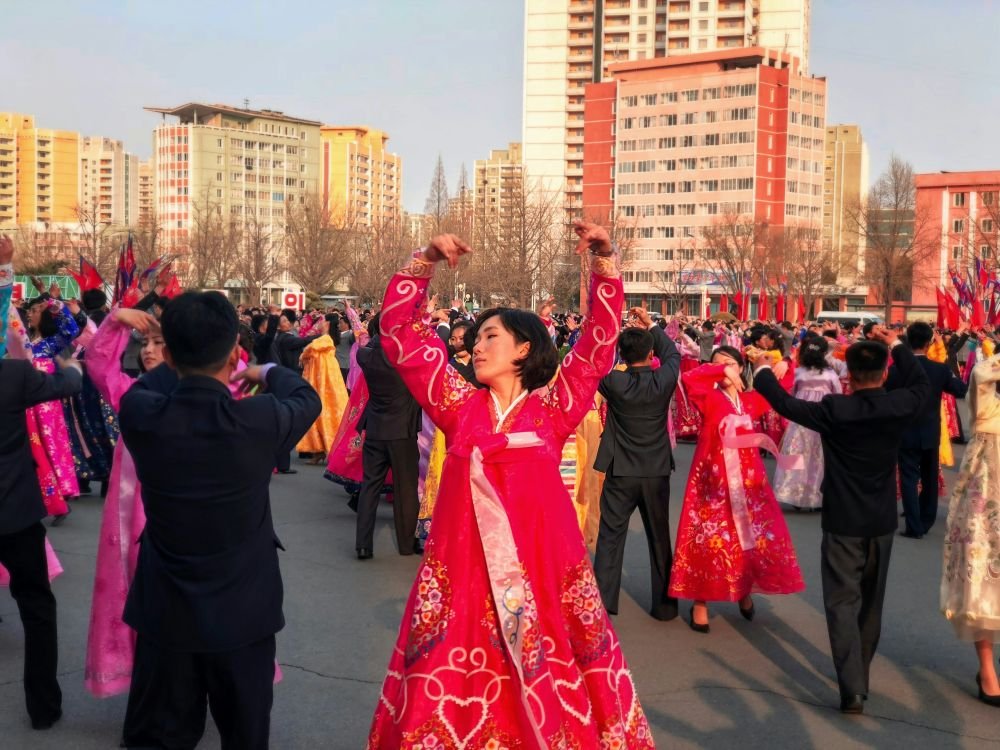
Kim Il-sung Square
One of the largest city squares in the world, this iconic plaza is the heart of Pyongyang. It hosts military parades, mass dances, and political gatherings, with the Grand People's Study House providing a stunning backdrop.
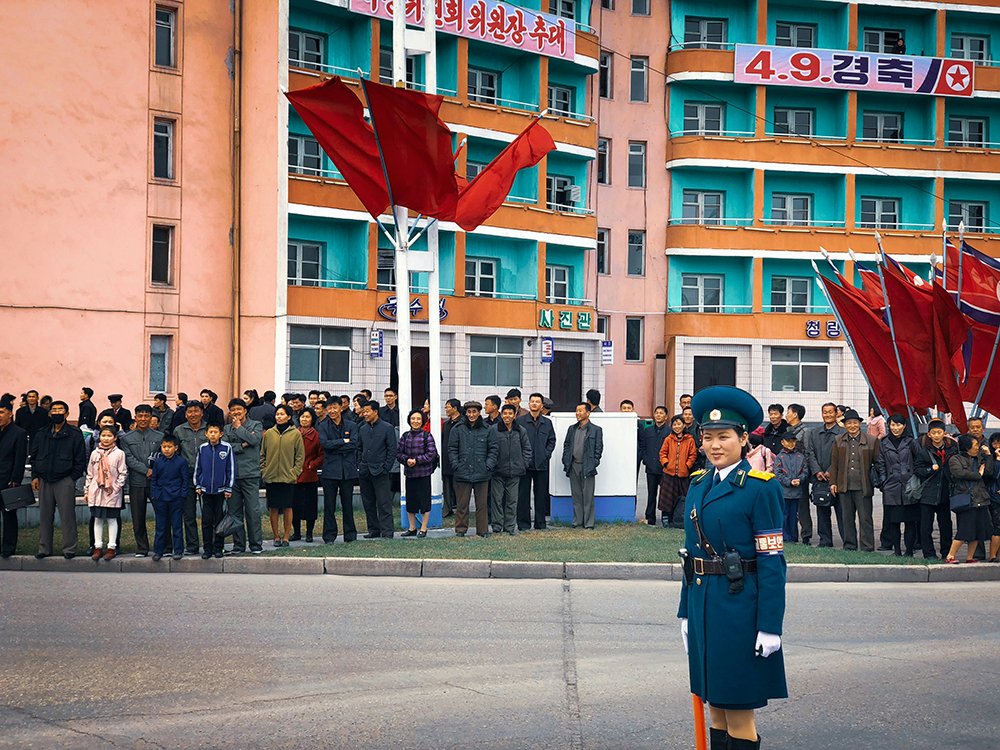
Juche Tower
Standing 170 meters tall, the Juche Tower symbolizes the DPRK's national ideology. Visitors can take an elevator to the top for panoramic views of Pyongyang and the Taedong River.
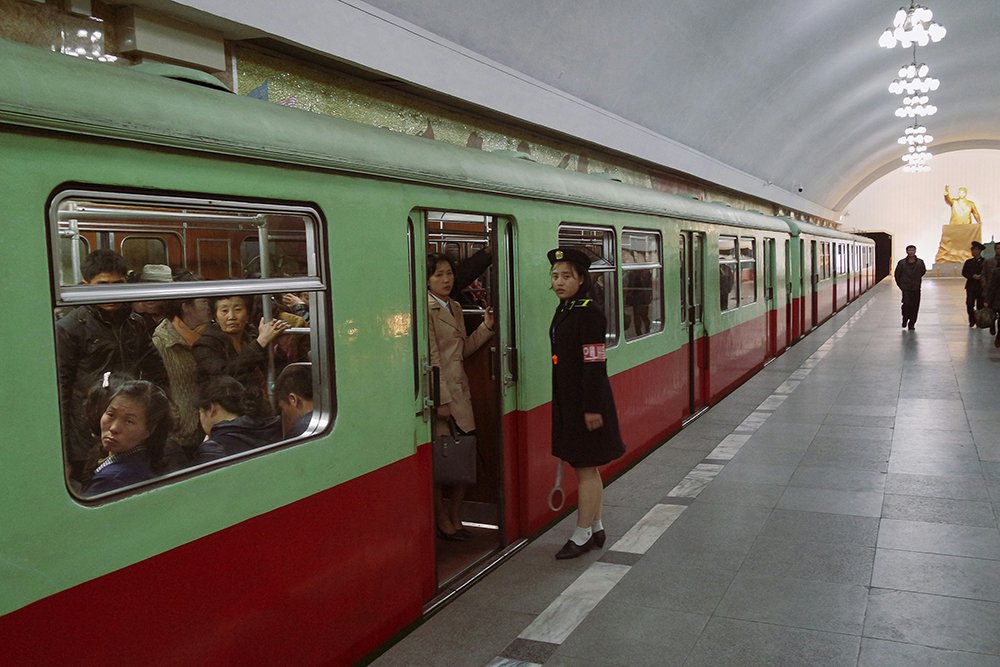
Pyongyang Metro
One of the deepest metro systems in the world (over 100 meters underground), featuring ornate stations with chandeliers, mosaics, and murals. Each station is themed around revolutionary history.
Arch of Triumph
Built in 1982, this 60-meter granite arch commemorates Korean resistance to Japanese occupation. It's the world's tallest triumphal arch, larger than Paris's Arc de Triomphe.
Mansudae Grand Monument
Two 20-meter bronze statues of Kim Il-sung and Kim Jong-il dominate Mansudae Hill. This is one of the most important sites in North Korea, where locals and visitors pay respects.
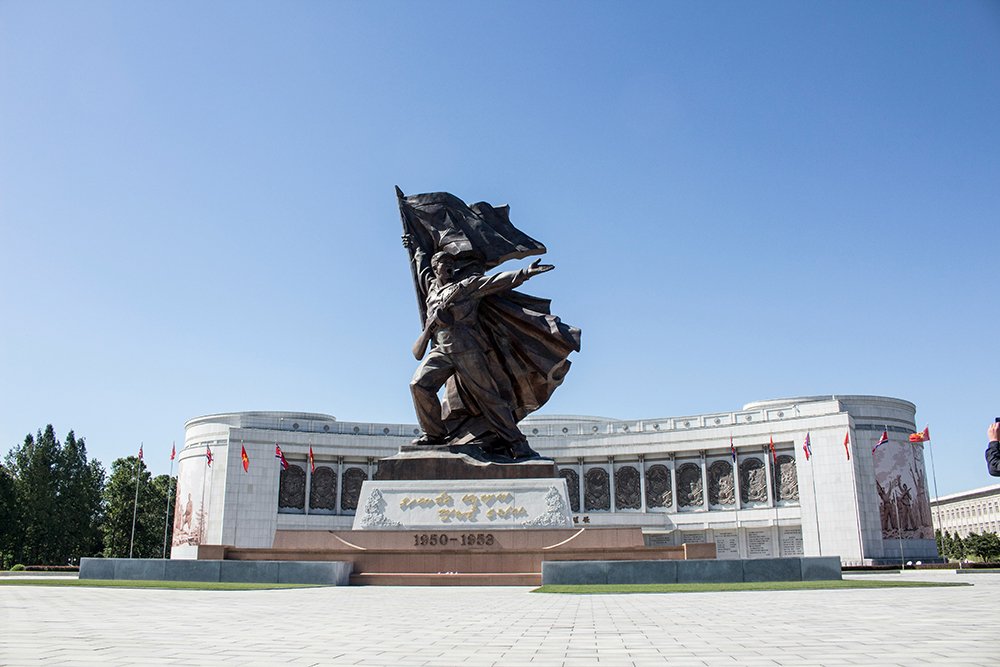
War Museum
The Victorious Fatherland Liberation War Museum offers North Korea's perspective on the Korean War (1950-1953), featuring captured American military equipment, dioramas, and the USS Pueblo.
Culture & Experiences
Mass Games & Performances
When scheduled, the Mass Games (Arirang) feature over 100,000 performers in synchronized displays of gymnastics, dance, and card sections at the May Day Stadium—the world's largest stadium.
Architecture
Pyongyang's skyline is dominated by distinctive socialist architecture, including the Ryugyong Hotel (105 stories, still under completion), the Arch of Reunification, and countless brutalist residential blocks painted in pastel colors.
Local Life
Visitors can experience aspects of daily life by visiting the Kwangbok Department Store, watching locals dance in city squares on holidays, or observing morning commutes on the famous metro system.
Cultural Highlights
- Mangyongdae Native House: Birthplace of Kim Il-sung
- Tower of Immortality: Dedicated to eternal leaders
- Revolutionary Martyrs Cemetery: Honors fallen revolutionaries
- Mansudae Art Studio: North Korea's premier art production center
- Moranbong Park: Popular recreation area for locals
Practical Information
Best Time to Visit
Spring (April-May): Pleasant weather, cherry blossoms, and the possibility of witnessing national celebrations on April 15 (Day of the Sun) and May 1 (International Workers' Day).
Autumn (September-October): Comfortable temperatures, harvest season, and National Day celebrations on September 9.
Winter (December-February): Cold but clear skies; fewer tourists. Summer can be hot and humid with monsoon rains.
Getting There
Pyongyang is accessible by air via Sunan International Airport (FNJ), with flights from Beijing, Shanghai, Vladivostok, and occasionally other cities. Train connections exist from Beijing and occasionally Vladivostok. Entry by car is possible from China at the Sino-Korean Friendship Bridge in Dandong.
Currency & Money
The North Korean Won (KPW) is the local currency, but tourists typically use Chinese Yuan (CNY), Euro (EUR), or US Dollars (USD). Credit cards are not accepted. Bring sufficient cash as ATMs are not available for foreign visitors.
Important: Independent travel is not permitted in North Korea. All visitors must be part of an organized tour with approved travel agencies. Tours include assigned guides who accompany you at all times.
Essential Travel Tips
Before You Go
- Visa Requirements: All nationalities require a visa. South Korean and Israeli passport holders cannot enter. US citizens face additional restrictions.
- Travel Agency: Book through authorized tour operators specializing in DPRK travel (Koryo Tours, Young Pioneer Tours, Lupine Travel, etc.)
- Photography: Restrictions apply. Military personnel, construction sites, and poverty cannot be photographed. Always ask permission.
- Communication: International phone calls are possible from hotels. No internet access for tourists. North Korean SIM cards available with limited functionality.
- Respect: Show respect at monuments and statues. Political discussions should be avoided. Follow guide instructions carefully.
- What to Bring: Medications, toiletries, snacks (limited Western products available). Electrical adapters (220V, European plugs).
- Prohibited Items: GPS devices, professional camera equipment (without permission), religious materials, South Korean products, political literature.
Language
Korean is the official language. Guides typically speak English, Chinese, or other languages. Learning basic Korean phrases is appreciated but not necessary.
Accommodation
Tourists stay in approved hotels such as the Yanggakdo International Hotel (on an island in the Taedong River), Koryo Hotel, or other designated facilities. Hotels offer reasonable comfort with restaurants, shops, and sometimes swimming pools or bowling alleys.
Food
Tour packages include meals featuring Korean cuisine: kimchi, rice, soups, grilled meats, and regional specialties. Cold noodles (naengmyeon) are a Pyongyang specialty. Some hotels have international restaurants.
Plan Your Journey
Visiting Pyongyang is unlike any other travel experience. It offers a rare window into a society that has developed in isolation, with its own culture, values, and worldview. While travel is highly structured and controlled, the experience provides valuable perspective and unforgettable memories.
Whether you're interested in history, architecture, politics, or simply experiencing something completely different, Pyongyang offers a journey that challenges perceptions and broadens horizons.
Disclaimer: Political situations can change rapidly. Always check current travel advisories from your government before booking. Ensure you understand and can comply with all rules and regulations. Travel insurance that covers North Korea is essential.